
Suno review: The first AI music generator that's actually fun to use
Suno turns a one-sentence prompt into a full song with vocals in under a minute. The result isn't always good. Sometimes it's startlingly good.
8/10
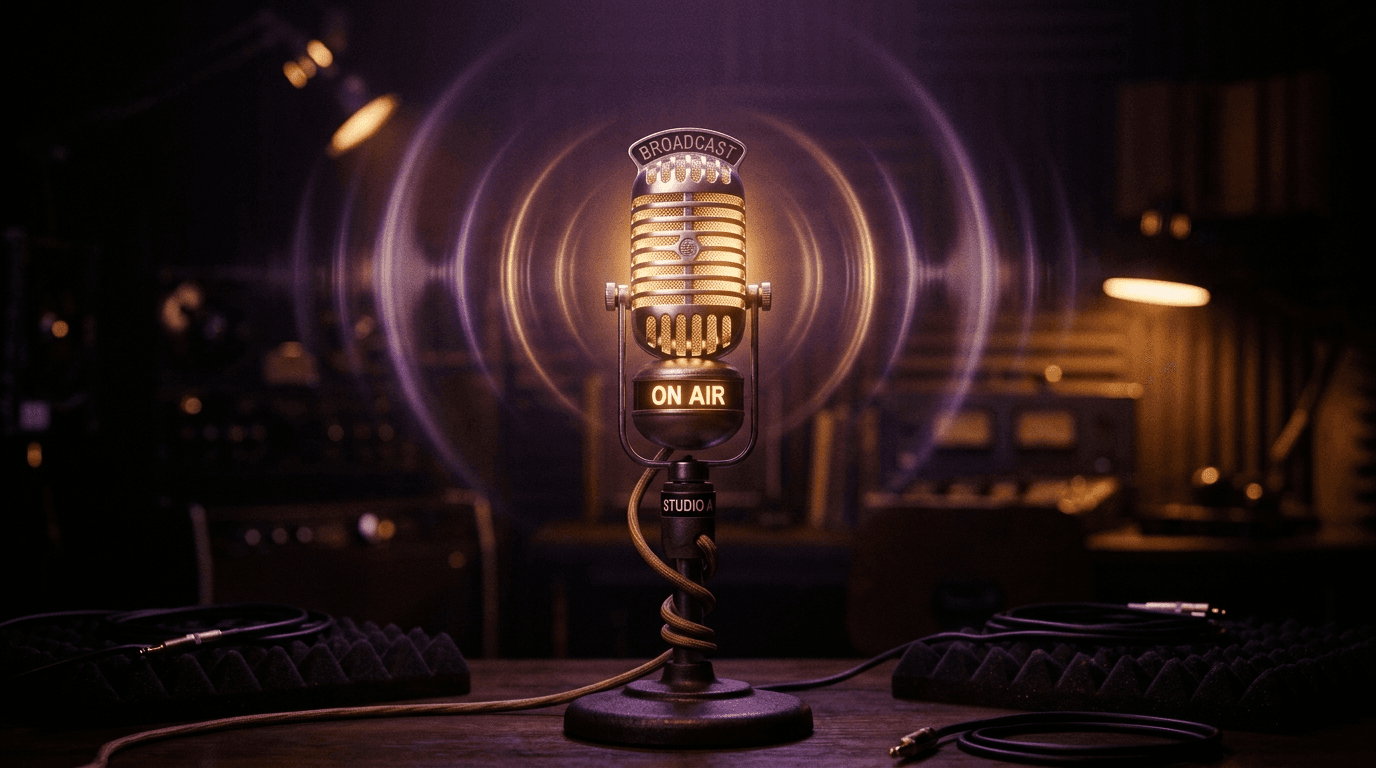
Most text-to-speech still sounds like text-to-speech. ElevenLabs is the first one I've used where the output is close enough to a human that I had to listen twice.
ShareTool Score
8.5/10
Still the quality leader for voice generation, but alternatives have caught up enough that price-sensitive users should look elsewhere first
Hyper-realistic AI voice cloning and text-to-speech in 32 languages
I keep coming back to one specific moment with ElevenLabs. I was testing its voice cloning on a 40-second recording of my own voice - nothing fancy, just a casual reading of a paragraph I'd written. The output played back, and I genuinely couldn't tell if I'd recorded it that morning or if the AI had made it. My wife couldn't tell. The cleaner the input audio, the more uncanny the result.
That was eight months ago. The model has gotten better since. Other companies have caught up to where ElevenLabs was a year ago. The question isn't whether AI voice generation works (it does, demonstrably) but whether ElevenLabs is still the one to pay for.
After running it as my daily voice-gen tool for the last year, my answer is: yes, mostly, but with a few asterisks that didn't exist when I started.
ElevenLabs has two flagship offerings: a stock library of pre-made voices (around 5,000+ at this point, contributed by users and licensed for commercial use) and a voice cloning workflow that takes anywhere from 30 seconds to a few minutes of source audio.
The stock voices are good. Some are excellent. Most have clean recording quality, sensible default delivery, and decent emotional range when you provide markup or context. They sound like working voice actors, not text-to-speech systems. For podcast intros, YouTube voiceovers, audiobooks, and accessibility uses, they work without modification.
Voice cloning is the real flex. The "Instant Voice Clone" option uses about 30 seconds of source audio and gives you a voice in seconds. Quality is decent but rough. The "Professional Voice Clone" trains for a few hours on 30+ minutes of clean audio and produces output that's genuinely difficult to distinguish from the source speaker. I've run both on the same source material; the gap is real and worth the wait if you have the source audio.
The thing I keep noticing on extended listens: ElevenLabs handles long-form content better than its competitors. A 20-minute generated narration won't have the same vocal cadence as a great human reader, but it won't make you flinch every minute either. Some competitors (Play.ht, Murf, even OpenAI's own voice models in some configurations) have a tell - a tiny pitch shift on certain consonants, a slight unnaturalness on certain words - that becomes exhausting at length. ElevenLabs has it less.
The pricing structure has changed twice in the time I've been using it. The current tiers:
A character is roughly the equivalent of a letter or space. 100,000 characters is about 80-90 minutes of generated audio, depending on speech rate. The Creator tier feels reasonable until you do a heavy project, then suddenly $99/month makes sense for a few weeks before you scale back down. The pricing isn't predatory, but it's also no longer the bargain it was at launch.
The competition has caught up more than ElevenLabs' marketing acknowledges. OpenAI's voice models (used in ChatGPT's voice mode) are nearly as good for most stock-voice purposes and they're cheaper or free depending on your plan. Google's Gemini voice generation has closed most of the gap. Hume.ai is doing emotional nuance better than anyone. Resemble.ai targets enterprise voice cloning with stronger commercial guarantees.
ElevenLabs still leads on the upper end of voice cloning quality and on the breadth of the stock library. For mid-tier needs, the cheaper alternatives are good enough. If I were starting from scratch today, I'd test OpenAI's voice models alongside ElevenLabs before committing, especially if my use case is single-voice narration with no cloning involved.
The other concern: ethical guardrails. ElevenLabs verifies identity for the "voice clone of yourself" workflow, but there's a reasonable amount of news coverage of cloned voices being used for scams, deepfakes, and harassment. The company has added watermarking and detection tools, but they're imperfect, and the responsibility for ethical use lands on you. Cloning someone else's voice without consent is illegal in most jurisdictions, and the laws are tightening. Don't.
What it's not great for, even in 2026: anything emotionally charged, scripted scenes requiring real interplay, or content where a slight unnaturalness will be noticed. A grieving monologue still sounds like AI. A tense argument still feels off. Humans win where stakes are high.
A few things I've learned that aren't obvious from the docs:
1. Match the voice to the content. Browse the library, pick three voices that fit your project's tone, then A/B them on a representative paragraph before committing to one. 2. Use the stability/similarity sliders. They matter more than the docs suggest. For long-form, lean toward higher stability. For dynamic delivery, lean toward lower stability and accept more variance. 3. Break up long inputs. ElevenLabs handles paragraphs better than essays. Generate in chunks and stitch. 4. Pay attention to punctuation. Em-dashes, ellipses, and commas all change delivery. If a sentence sounds off, try restructuring the punctuation.
ElevenLabs remains the voice generation tool I'd pay for first. The quality is real, the workflow is mature, and the model improvements have continued to outpace what I expected when I subscribed a year ago. The price has climbed and the competition has gotten serious, so it's no longer the no-brainer it was in 2023 - but it's still the no-brainer for anyone who needs voice cloning quality at the top of the market.
If you're doing one project a year, use the Starter plan. If you're producing weekly content, Creator is the right floor. For commercial work where voice quality affects your bottom line, Pro pays for itself.
Suno turns a one-sentence prompt into a full song with vocals in under a minute. The result isn't always good. Sometimes it's startlingly good.

Six years and several thousand saved "your welcomes" later, Grammarly still earns its install. The Premium case is harder than it was.
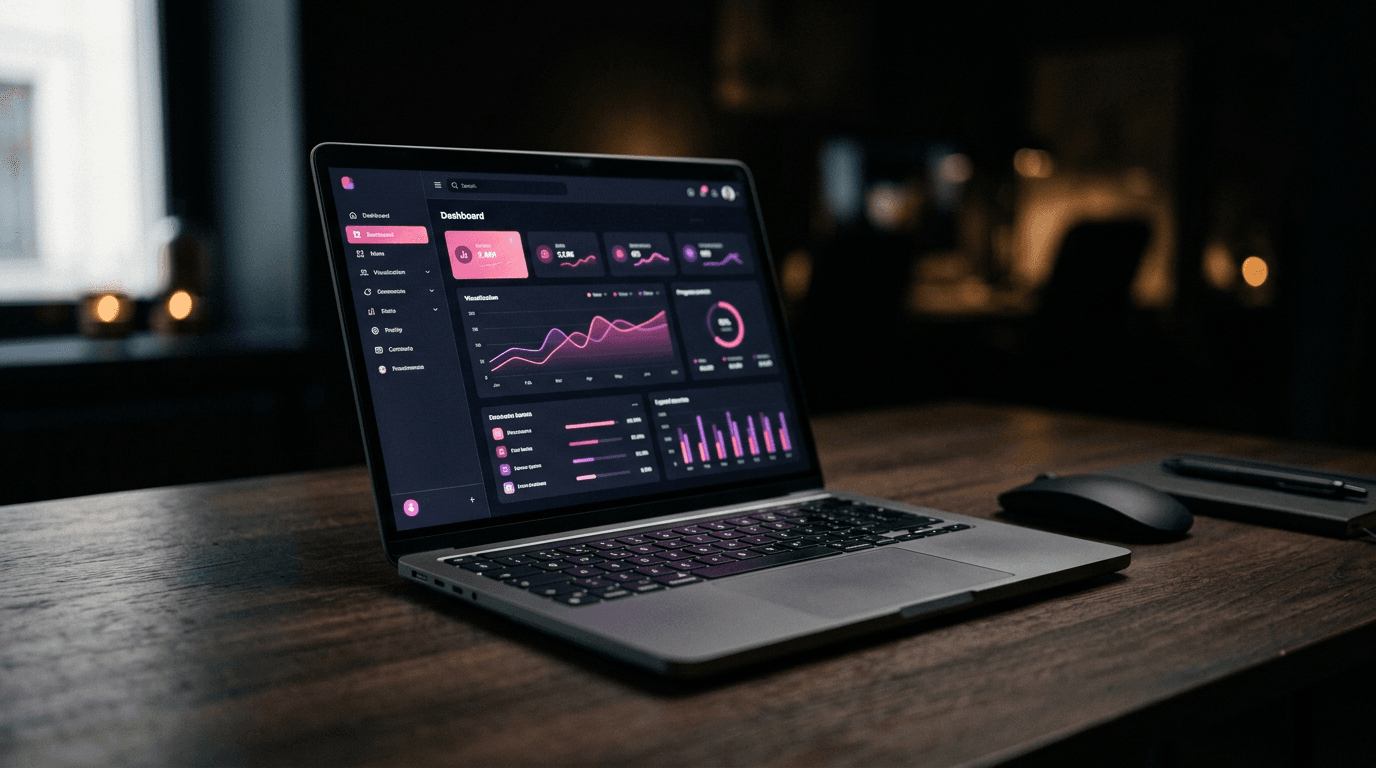
We built a working SaaS with it in a weekend. The generated code is cleaner than you'd expect and the Supabase integration is genuinely good. The catch is what happens when you go off-script.